
Dianne Saxe, Ph.D. in Law
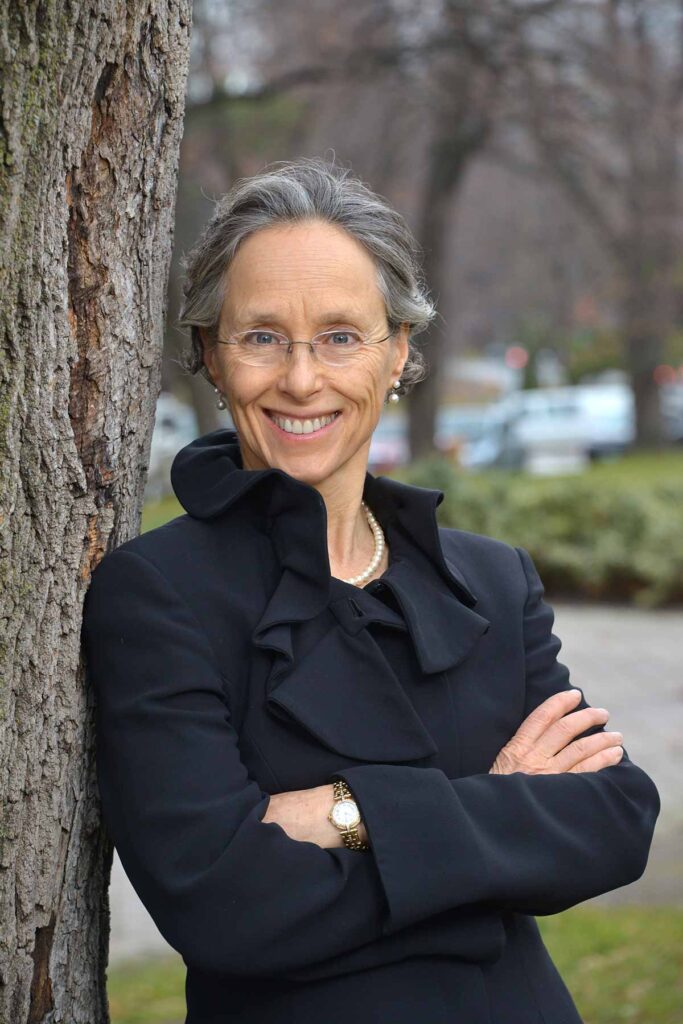
Dr. Dianne Saxe is a top environmental and climate lawyer, president of Saxe Facts and Deputy Leader of the Ontario Green Party. Details on Wikipedia. Follow her via her blog, Twitter (@DianneSaxe), Instagram, Youtube, Linktree or LinkedIn, and don’t miss her podcast Green Economy Heroes.

Summary: Dr. Saxe is one of Canada’s most respected environmental lawyers, with 40+ years’ unparalleled experience writing, interpreting, and litigating Ontario’s energy and environmental laws. An experienced team leader with substantial board experience; a skilled communicator with broad strategic vision. Hard-won expertise in government relations, corporate governance and public consultation. A can-do person always striving to make a difference. Now heading Saxe Facts, a law firm on climate, energy and environment.
Leadership training and experience: 2015 to 2019, Dr. Dianne Saxe was the Environmental Commissioner of Ontario. She was appointed unanimously by all MPPs to report to the Legislature on Ontario’s environmental, energy and climate performance, and to be the guardian of the Environmental Bill of Rights. During her term, she improved the effectiveness of the Environmental Bill of Rights, increased public understanding of the urgency of climate change, and delivered 17 reports on environment, energy and climate.
Board Experience: More than 20 years’ experience on public and private boards, including Draxis board and audit committee (public issuer). Non-profit organizations included Secretary of Evergreen, a $10 million/year environmental charity; president and chair of the Windshare renewable energy cooperative; Ontario Bar Association Investment Committee. Extensive professional assistance to boards and board members, especially on issues of personal and environmental liability. Certified “Board-Ready” by Women in Capital Markets. Competent Boards training. Canadian Board Diversity Council Get on Board.
Author: Environmental Protection – Guidance & Recommendations for Boardroom Practice.
Business Experience: 25 years running her own small business, a highly regarded environmental law boutique. A Certified Environmental Law Specialist, Commissioner Saxe was recognized by all major legal rating services, including acknowledgement as one of the world’s top 25 environmental lawyers by Best of the Best, 2008 and as Best Lawyers’ first Environmental Lawyer of the Year for Toronto.
Professional Qualifications: Ph.D. in Law, Osgoode Hall Law School, 1991. Ontario Bar, 1976. LL.B., Osgoode Hall Law School, 1974. Mediator. Doctorate in Environmental Studies (Hon.), University of Waterloo 2022.
Awards: Toronto’s first Environmental Lawyer of the Year, selected by Best Lawyers. One of the world’s top 25 environmental lawyers, according to Best of the Best, 2008. Recognized by Lexpert, Who’s Who Legal, Chambers, Martindale Hubble and other rating agencies. Osgoode Hall Alumni Gold Key for Achievement; Ontario Bar Association Distinguished Service Award. Honourary member of For Our Grandchildren and Women for Nature. Clean50 2017. Law Society of Ontario Medal for exemplary achievement and leadership in environmental law, 2020.
McMurtry Clinical Fellowship holder, Osgoode Hall Law School and Faculty of Environmental Studies, York University, 2019-2020. Senior fellow, Massey College. Adjunct faculty, School of the Environment, University of Toronto.
For bookings, contact Dianne Saxe

Services
We are in a climate emergency. What kind of help do you need?
Do you need to inform, move and motivate your leaders, staff, customers or other stakeholders? Dr. Saxe gives powerful, inspiring presentations. Browse my collections of climate change presentations and read reviews and testimonials.
Do you need advice on how your organization can respond to the climate change emergency in Toronto and around Ontario? Dr. Saxe has helped many municipalities and other organizations understand their options and clarify their strategy.
Do you need an honest and deeply informed assessment of your current policies and practices? Dr. Saxe will give it to you, politely and frankly, with no greenwashing.
Do you need help negotiating a contract or a policy with a partner? Dr. Saxe has more than 45 years of negotiation expertise.
Dr. Saxe can be retained to give advice and presentations on climate change, energy and environment. The breadth of her expertise and experience is illustrated by her reports as Environmental Commissioner, and her ECO presentations. Testimonials about these climate change Toronto presentations are also available.
Note: Dr. Saxe charges for her time. Those who wish to have a free presentation are encouraged to show one of her many available presentations. One free presentation a month can be provided to registered charities, first come, first served.
Contact Dr. Saxe for more information on climate change Toronto and climate presentations.
Dr. Saxe’s legal practice is focussed on the climate crisis.
Recent blog posts
Councillor-Elect
Read More
Global 50 award!
Read More
Green Economy Heroes
Read More
Honourary doctorate in Environmental Studies
Read More
International Women’s Day
Read More